
1976 Bicentennial Quarter Value Guide: The 1976 Bicentennial Quarter is one of the most recognizable coins in United States history. Minted to celebrate the 200th anniversary of American independence, this quarter features a unique reverse design that sets it apart from all other Washington quarters. While millions were produced and many are still found in circulation today, certain varieties, mint conditions, and error coins can be surprisingly valuable. This guide explores the history, design, values, rare varieties, and notable errors of the 1976 Bicentennial Quarter in a clear and engaging way.
Historical Background of the Bicentennial Quarter
In the early 1970s, the United States Mint planned a special coinage program to honor the nation’s Bicentennial in 1976. Instead of changing the design for only one year, Congress approved special reverse designs for the quarter, half dollar, and dollar coins dated 1776–1976. These coins were minted in 1975 and 1976, but none carry those individual dates.
The Bicentennial Quarter was produced at three mints: Philadelphia, Denver, and San Francisco. Philadelphia and Denver struck coins for general circulation, while San Francisco focused on proof and special collector versions. Because of their historical theme and widespread release, these quarters quickly became popular with both collectors and the general public.
Design Features and Composition
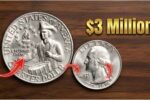
The obverse of the Bicentennial Quarter retains the familiar portrait of George Washington designed by John Flanagan. The dual date 1776–1976 appears below Washington’s neck, replacing the standard single-year date.
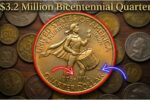
The reverse design, created by Jack L. Ahr, features a colonial drummer boy with a torch encircled by thirteen stars. This imagery symbolizes the spirit of the American Revolution and the original colonies. The design was selected through a nationwide competition, making it especially meaningful.
Most Bicentennial Quarters were struck in a copper-nickel clad composition, the same as regular quarters of the era. However, special collector versions were also produced in a 40 percent silver composition, which significantly affects their value today.
Mint Marks and Production Numbers
Understanding mint marks is essential when evaluating a Bicentennial Quarter. Coins minted in Philadelphia carry no mint mark. Denver coins feature a D, while San Francisco coins display an S.
Philadelphia and Denver struck hundreds of millions of quarters combined, making circulated examples very common. San Francisco produced fewer coins, especially the silver versions and proof strikes. Proof coins were made specifically for collectors and feature sharper details and mirror-like surfaces.
Because of these differences, value can vary widely depending on mint mark, composition, and condition.
General Value of Circulated Bicentennial Quarters
Most Bicentennial Quarters found in everyday circulation are worth face value or slightly more. In worn or average circulated condition, they typically sell for 25 to 50 cents. Even uncirculated copper-nickel examples from Philadelphia or Denver usually trade for only a few dollars unless they are in exceptionally high grade.
The real value begins to appear when condition improves or when the coin has unique characteristics. Coins graded Mint State 65 or higher by professional grading services can command higher prices, especially if they show strong luster and minimal marks.
Silver Bicentennial Quarters and Proof Coins
The 40 percent silver Bicentennial Quarters were sold in special collector sets and were never intended for circulation. These coins weigh slightly more than their clad counterparts and have a distinct silver edge without the visible copper stripe.
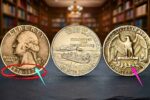
Silver Bicentennial Quarters generally sell based on both their silver content and collector demand. Depending on silver prices and condition, they often range from $8 to $20 or more. Proof silver quarters, especially those in original packaging or with high-quality surfaces, can be worth even more.
Clad proof coins from San Francisco are also collectible. While they do not contain silver, their sharp strike and mirrored finish make them desirable to collectors, typically selling for a few dollars each.
Rare Varieties Collectors Look For
While there are no major design changes within the Bicentennial Quarter series, collectors still search for subtle varieties. Differences in lettering sharpness, strike quality, and die characteristics can sometimes create minor premiums.
Some coins show unusually strong or weak details due to die wear or striking pressure. While these are not always officially recognized varieties, advanced collectors may pay more for visually distinctive examples, especially in high-grade condition.
Error Coins and Their Value
Error coins are where Bicentennial Quarters can become truly valuable. These mistakes occurred during the minting process and escaped quality control, making them rare and desirable.
Common errors include off-center strikes, where part of the design is missing, and double strikes, where the coin was struck more than once. Coins with clipped planchets, missing metal due to improper cutting, are also popular among collectors.
More dramatic errors, such as double die obverses or reverses, can show noticeable doubling on lettering or design elements. Depending on severity and condition, Bicentennial Quarter error coins can range in value from $50 to several hundred dollars, with exceptional examples selling for even more.
How to Identify and Preserve Value
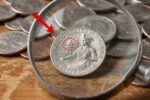
If you believe you have a valuable Bicentennial Quarter, careful examination is key. Check the edge for silver content, look closely for doubling or unusual features, and assess overall condition. Using a magnifying glass can help reveal small details that are easy to miss.
Preservation is equally important. Avoid cleaning the coin, as this can significantly reduce its value. Store it in a protective holder or coin flip to prevent scratches and environmental damage. For potentially high-value coins, professional grading can provide authentication and maximize market appeal.
Final Thoughts on Collecting Bicentennial Quarters
The 1976 Bicentennial Quarter holds a special place in American numismatics. While most examples are common, the series offers exciting opportunities for collectors willing to look closer. Silver issues, proof coins, and genuine error varieties can all carry meaningful value.
Whether you are a casual collector, a history enthusiast, or someone checking spare change for hidden treasures, the Bicentennial Quarter remains an accessible and fascinating piece of America’s coinage legacy. With patience, knowledge, and a bit of luck, this iconic coin can become more than just a keepsake from the past.