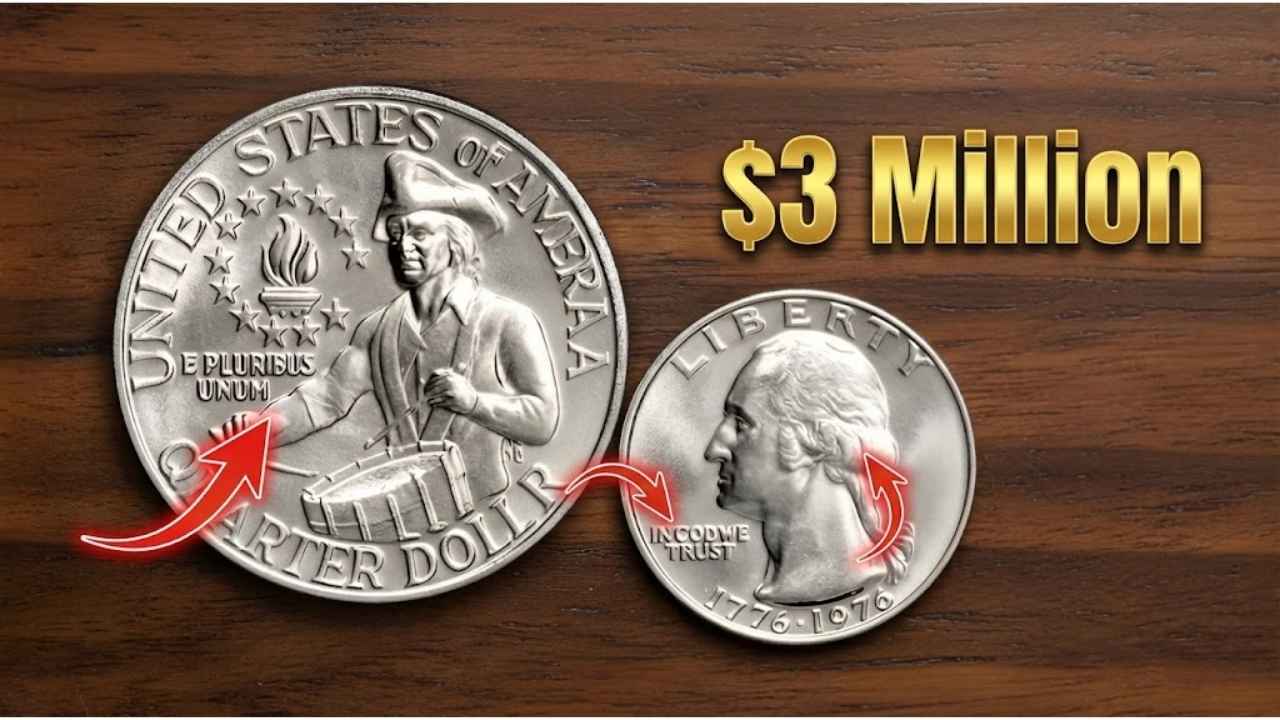
1976 Bicentennial Quarter Worth $3 Million: The 1976 Bicentennial quarter is a piece of American history that carries a story far beyond its face value. Issued to commemorate the United States’ 200th anniversary, these quarters were minted in huge quantities and circulated widely. For many, they are simply nostalgic coins or collector souvenirs. However, there are rare versions of the 1976 Bicentennial quarter that can be worth astonishing sums in some extreme cases, reaching up to $3 million. While such examples are exceptionally rare, knowing how to identify and value these quarters can help collectors and enthusiasts avoid missing out on a potentially life-changing find.
The Legacy of the 1976 Bicentennial Quarter
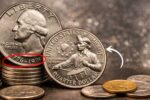
The Bicentennial quarter was introduced in 1975 and 1976 as a special issue to celebrate the nation’s 200 years. Unlike regular quarters, these coins feature the dual date “1776-1976” and a unique reverse design showing a colonial drummer boy, replacing the traditional eagle. This distinctive design made the quarter stand out and instantly recognizable to millions of Americans.
Despite their special status, millions of these quarters were produced and released for circulation. The majority are common and only worth their face value or a small premium in uncirculated condition. But within these countless coins are a handful of extremely rare and valuable varieties, often caused by minting errors, experimental strikes, or limited production runs. These can command huge prices in the collector market.
How Could a 1976 Quarter Be Worth $3 Million?
A quarter reaching a value as high as $3 million is almost unheard of, but it is possible under very specific conditions. Coins worth this much are usually one-of-a-kind or among a very limited number with extraordinary errors or unique historical significance. For the 1976 Bicentennial quarter, such a high valuation generally comes from a combination of rarity, condition, and provenance.
Some of the reasons a 1976 quarter could fetch such a price include:
- Unique Minting Errors: Coins with major mistakes, such as double dies, off-center strikes, or wrong planchet errors, are extremely rare. If the error is dramatic and well-documented, collectors may pay top dollar.
- Proof-Like or Gem Condition Coins: A 1976 quarter preserved in flawless, museum-quality condition with perfect surfaces and sharp details can be very valuable, especially if certified by grading services.
- One-of-a-Kind Experimental Coins: Occasionally, experimental or trial strikes were made on unusual metal blanks or with special dies. These pieces are considered priceless by collectors.
- Famous Provenance or Historical Significance: If a quarter was part of a famous hoard or owned by a notable figure, its value could skyrocket due to its story.
While $3 million is the top extreme, many valuable Bicentennial quarters sell for thousands or tens of thousands, depending on their unique characteristics.
Key Features to Spot a Valuable 1976 Bicentennial Quarter
If you want to identify whether your 1976 quarter might be worth more than just face value, look for these important signs:
1. Check the Date and Mint Mark Carefully
The 1976 Bicentennial quarter is marked with the dual date “1776-1976” on the obverse side. The mint mark is usually found on the right side of Washington’s neck. Philadelphia-minted quarters typically have no mint mark, Denver quarters have a “D,” and San Francisco quarters have an “S.”
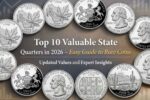
Most valuable errors tend to be found on Denver or Philadelphia coins, so noting the mint mark is crucial. Silver versions from San Francisco were never meant for circulation, but finding one accidentally in change can be valuable.
2. Look for Minting Errors
Errors can increase a quarter’s value dramatically. Common error types for the Bicentennial quarter include:
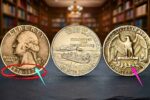
- Doubled Die Obverse: Look for doubling in the letters, date, or Washington’s portrait. This appears as a shadow or duplicate image.
- Off-Center Strike: Coins struck off-center show part of the design missing and irregular edges.
- Clipped Planchet: A coin with a missing portion, often curved, caused by a flawed metal blank.
- Wrong Planchet or Off-Metal Strike: Some quarters were accidentally struck on dime or penny planchets, which differ in size and color.
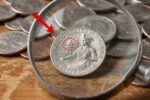
Examining your coin closely with a magnifying glass or loupe can reveal these flaws.
3. Assess the Condition
Condition, or grade, plays a huge role in a coin’s value. Uncirculated or mint state quarters with no wear, scratches, or discoloration are worth far more than worn ones. Professional grading services like PCGS or NGC can certify the condition, which can boost the price and buyer confidence.
4. Check for Silver Content
San Francisco Mint produced 40% silver Bicentennial quarters intended for collectors. Occasionally, these coins have been found in circulation by accident. A silver quarter will be heavier and have a different edge compared to standard clad quarters. Testing or weighing your coin can help determine if it contains silver.
How to Value Your 1976 Bicentennial Quarter
To find out what your quarter is worth, consider the following steps:
- Research Comparable Sales: Check auction sites, coin dealer listings, and recent sales of similar Bicentennial quarters. Look for coins with the same mint marks, errors, and grades.
- Consult a Professional: A reputable coin dealer or numismatist can provide an expert opinion. They can help identify errors and assess condition.
- Get Certification: Submitting your coin to a professional grading service provides an official grade and authentication. This can greatly enhance the coin’s value and make it easier to sell.
- Stay Informed: Coin values fluctuate with market demand and discoveries of new error coins. Following numismatic news and joining coin collecting communities can keep you updated.
Why These Quarters Are More Than Just Currency
The 1976 Bicentennial quarter is a symbol of American pride and history. Beyond its role as money, it connects people to a momentous celebration of the nation’s founding. Its unique design and the stories behind rare errors or experimental pieces make it a fascinating collectible.
Collectors enjoy the thrill of the hunt, knowing that ordinary coins pulled from circulation can sometimes reveal rare gems. Whether you’re a seasoned numismatist or a casual collector, discovering a valuable Bicentennial quarter is an exciting possibility.
Conclusion
While most 1976 Bicentennial quarters remain everyday coins with little monetary value, a few rare and unique examples can be worth an astonishing amount in extreme cases, up to $3 million. These high values come from extraordinary errors, exceptional condition, and unique historical significance. Knowing how to spot important features like mint marks, minting errors, condition, and silver content can help you uncover hidden treasures in your own collection or change jar. If you believe you have a valuable Bicentennial quarter, seek professional advice and certification to properly assess its worth. In the end, these coins remind us that even the most common objects can sometimes carry incredible stories and unexpected value.