1976 Bicentennial Quarters: The 1976 Bicentennial quarter holds a special place in American history and numismatics. Issued to celebrate the 200th anniversary of the United States, these quarters were part of a nationwide tribute that reached millions of hands through everyday circulation. Unlike regular Washington quarters, the Bicentennial version features a unique reverse design and a dual date, making it instantly recognizable. While many of these coins are common and modest in value, a few rare circulating varieties stand out as highly desirable to collectors. Understanding what makes these specific quarters special can turn an ordinary-looking coin into a prized collectible.
A Brief Background of the Bicentennial Quarter
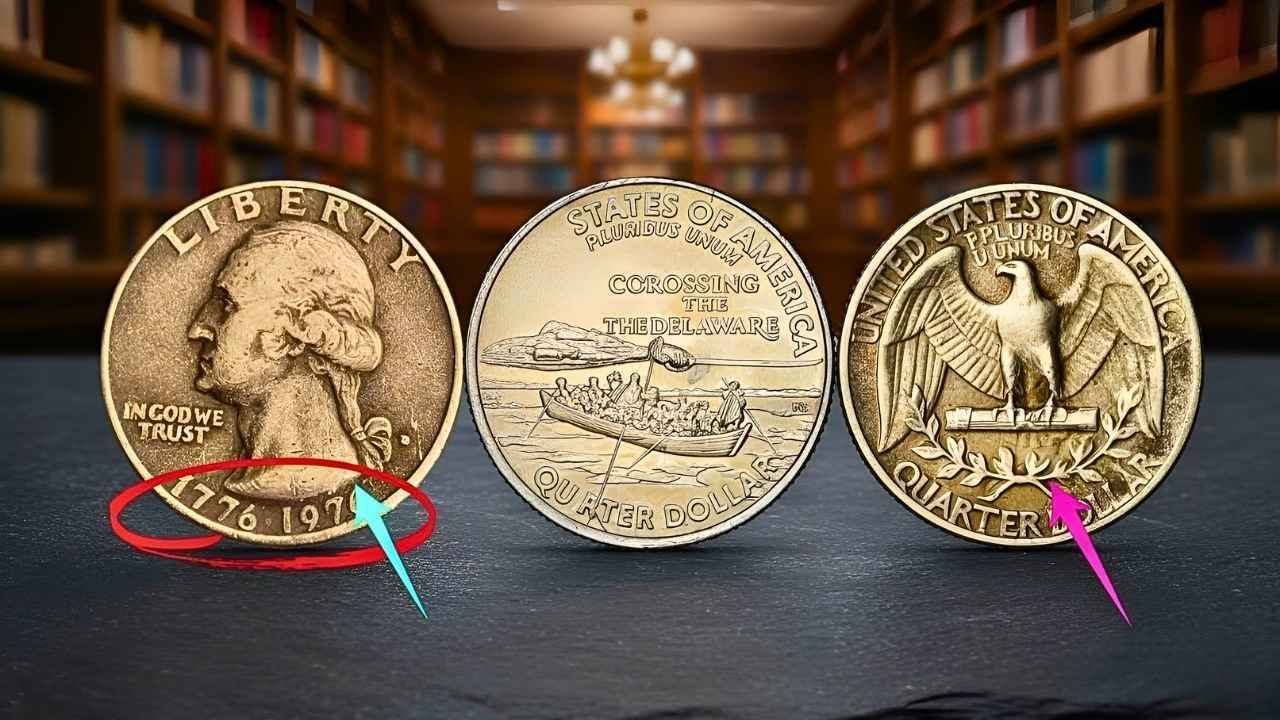
In preparation for the Bicentennial celebration, the U.S. Mint decided to redesign the reverse of the quarter, half dollar, and dollar coins. For the quarter, the traditional eagle was replaced with a colonial drummer, designed by Jack L. Ahr. The obverse retained George Washington’s portrait but displayed the dual date 1776–1976 instead of a single year.
These quarters were struck in massive numbers at the Philadelphia and Denver mints for circulation, and in smaller quantities at the San Francisco Mint for collector sets. Because of their high mintage, most Bicentennial quarters are still worth face value. However, certain rare examples produced during regular circulation runs have become valuable due to errors, composition differences, or exceptional condition.
1. 1976 No Mint Mark Quarter in High Grade
The Philadelphia Mint produced Bicentennial quarters without a mint mark, and the majority of them entered circulation. While common in worn condition, examples that survived decades of use without significant wear are surprisingly scarce. Coins graded Mint State 67 or higher by professional grading services are especially valuable.
What makes these quarters rare is not their design or mintage, but their condition. Circulation strikes were not handled with the same care as proof coins, so finding one with sharp details, clean surfaces, and strong luster is difficult. Collectors often overlook no mint mark Bicentennial quarters, but top-grade examples can sell for hundreds or even thousands of dollars at auction.
2. 1976-D Bicentennial Quarter with Striking Errors
The Denver Mint struck hundreds of millions of Bicentennial quarters, making them very common in everyday change. However, error coins from this mint are a different story. During the high-speed minting process, mistakes such as double dies, off-center strikes, clipped planchets, and die cracks occasionally occurred.
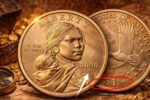
Among the most sought-after are doubled die obverse errors, where parts of the lettering or Washington’s profile appear doubled. These errors are subtle but noticeable under magnification and significantly increase the coin’s value. Since these coins were released into circulation, collectors often discover them unexpectedly. A genuine and well-documented error can transform a standard Bicentennial quarter into a standout piece in any collection.
3. 1976-S Silver Quarter Found in Circulation
One of the most exciting finds for collectors is a 1976-S silver Bicentennial quarter discovered in circulation. The San Francisco Mint produced special collector versions of the Bicentennial quarter containing 40 percent silver. These coins were never intended for everyday use and were sold as part of special mint sets.
Occasionally, however, silver quarters make their way into circulation due to estate dispersals or accidental spending. These coins can be identified by their slightly heavier weight and distinct silver edge, which lacks the copper stripe seen on standard clad quarters. Finding a silver Bicentennial quarter in pocket change is rare, and their intrinsic silver value combined with collector demand makes them highly desirable.
4. Off-Metal Bicentennial Quarters
Among the rarest circulating Bicentennial quarters are off-metal errors. These occur when a coin is struck on a planchet intended for a different denomination or composition. Examples include quarters struck on dime planchets or experimental metal blanks.
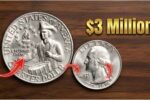
Such errors are extremely uncommon and usually escape the mint unnoticed before entering circulation. Off-metal Bicentennial quarters are fascinating because they combine historical significance with a dramatic minting mistake. Their unusual weight, size, or color immediately sets them apart. Authentic examples are highly valuable and often sell for several thousand dollars, depending on condition and documentation.
Why Bicentennial Quarters Remain Popular
Beyond their potential value, Bicentennial quarters are beloved for their historical symbolism. They represent a moment when everyday currency was used to celebrate national heritage, making them accessible collectibles for beginners and seasoned numismatists alike. The possibility that rare varieties still exist in circulation adds an element of excitement to coin collecting.
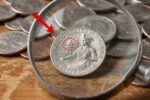
Collectors are drawn to these quarters not only for profit but also for the thrill of the hunt. Searching through change jars, rolls from banks, or inherited collections keeps the Bicentennial quarter relevant nearly five decades after its release.
Conclusion
The 1976 Bicentennial quarter is far more than a common commemorative coin. While most examples are worth only face value, a small number of rare circulating varieties hold significant appeal for collectors. High-grade no mint mark quarters, Denver-minted error coins, silver San Francisco issues found in circulation, and off-metal strikes each tell a unique story of history, craftsmanship, and chance. By learning what to look for and examining coins carefully, collectors can uncover hidden treasures that connect America’s past with the enduring fascination of numismatics.