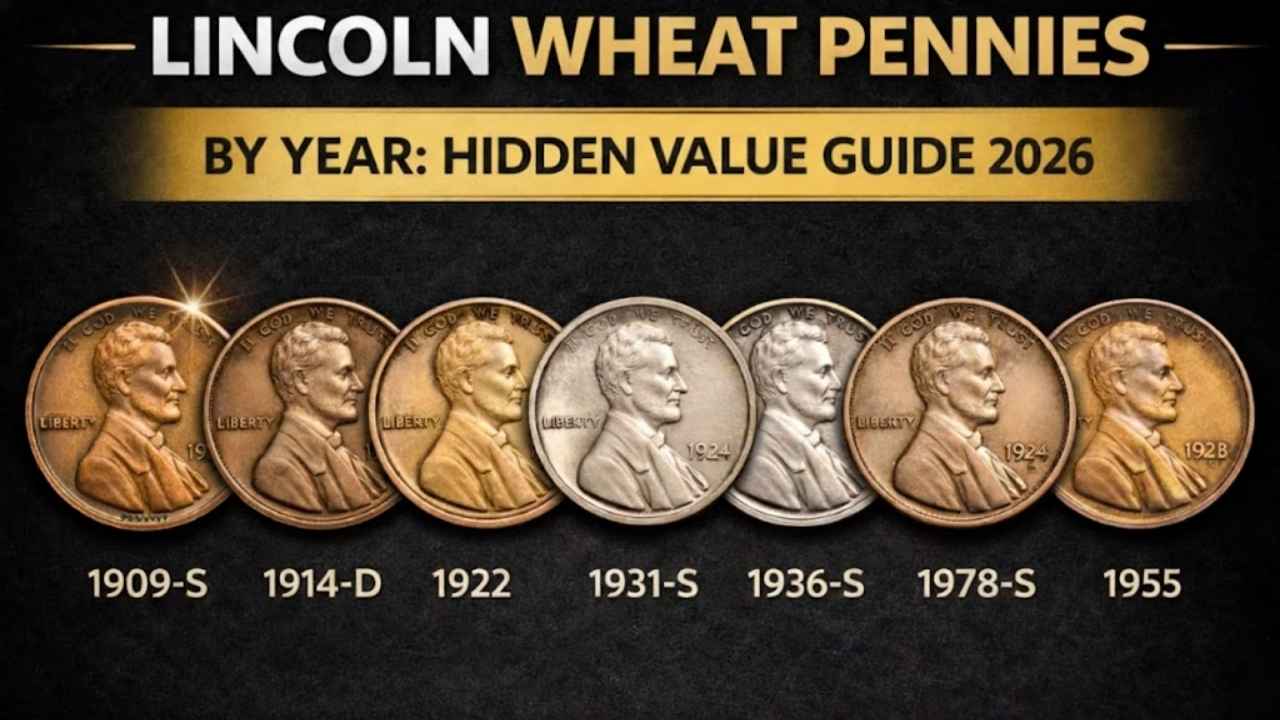
Wheat Pennies Price Trends in the Last 10 Years: Wheat pennies, also known as Lincoln Wheat Cents, are one of the most popular and beloved coins among collectors. Minted from 1909 to 1958, these pennies feature two wheat stalks on the reverse side, which is why they got the name “wheat pennies.” Over the years, their value has changed a lot, especially in the last decade. If you have some wheat pennies or are thinking of collecting them, understanding their price trends is important. This guide will walk you through the basics and show you how their value has moved over the last 10 years.
Why Are Wheat Pennies Special?
Wheat pennies are more than just old coins. They represent a piece of American history and craftsmanship. Many collectors love them because they are affordable and easy to find compared to other rare coins. But some wheat pennies, especially those from specific years or with rare features, can be worth a lot of money.
Their value depends on several things: the year they were made, the condition of the coin, and if there are any special errors or variations on the coin. Understanding these factors helps in knowing how much a wheat penny is worth today.
Price Trends Over the Last 10 Years
In the past decade, the price of wheat pennies has seen interesting changes. While many common pennies have stayed relatively affordable, rare dates and high-quality coins have become more valuable. Let’s break down the trends by type of wheat penny.
Common Wheat Pennies
Common wheat pennies, such as those minted in large quantities and found easily in circulation, have generally stayed affordable. Over the last 10 years, their value usually ranges from a few cents to a couple of dollars in average condition.
However, collectors have noticed a slow but steady increase in prices. This is because fewer wheat pennies remain in good condition as time goes on. Coins that look clean, shiny, and have little wear are becoming harder to find, so people are willing to pay more for them.
Key Dates and Rare Varieties
Certain years and mint marks are especially valuable. For example, wheat pennies from 1909, especially those with the “S” mint mark or the famous “VDB” initials on the back, are highly sought after.
Over the last decade, the prices for these key dates have risen significantly. In 2015, a 1909-S VDB penny in good condition might have sold for around $500 to $800. Today, similar coins can fetch well over $1,000, sometimes reaching several thousand dollars depending on their condition.
Other rare years like 1914-D and 1931-S have also seen price increases. This rise is mainly due to growing interest from collectors and investors who see wheat pennies as a good way to diversify their collections.
Condition Matters a Lot
Condition, or the coin’s state of preservation, is very important in determining value. Coins are graded on a scale from poor to mint state. A wheat penny in mint condition can be worth ten times or more than the same penny in poor condition.
In the last 10 years, the market has shown a stronger preference for high-grade coins. This has pushed prices for well-preserved wheat pennies higher than before. Even common dates in uncirculated condition now command a premium compared to 10 years ago.
Impact of Coin Market Trends
The entire coin market, including wheat pennies, is influenced by broader trends such as collector interest, metal prices, and economic factors. Over the last decade, interest in coin collecting has grown due to social media and online marketplaces. This has helped push prices up, especially for rare and high-quality coins.
At the same time, copper prices have risen. Since wheat pennies are made mostly of copper, their melt value (the value of the metal) has increased slightly. However, the collector’s value remains much more important than the metal content when it comes to wheat pennies.
How to Check the Value of Your Wheat Pennies
If you want to know how much your wheat pennies are worth, there are a few simple steps you can follow:
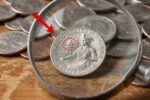
- Identify the Year and Mint Mark: Look at the front of the coin to find the year. The mint mark, usually a small letter near the date, tells you where it was made (such as “D” for Denver or “S” for San Francisco).
- Assess the Condition: Check how worn the coin is. Coins with clear details and no damage are worth more.
- Look for Rare Features: Some wheat pennies have mistakes or unique markings that can increase their value.
- Use Price Guides and Online Resources: There are many websites and books that list current prices based on the year and condition.
- Get a Professional Opinion: For rare or valuable coins, it is a good idea to have them graded by a professional coin grading service.
Tips for Collecting Wheat Pennies
If you are starting a wheat penny collection, here are some useful tips:
- Start by collecting pennies from different years and mints.
- Focus on improving the condition of your coins over time.
- Learn about key dates and rare varieties to spot valuable coins.
- Keep your coins stored properly to avoid damage.
- Follow the market trends and prices regularly to make informed decisions.
Conclusion
Wheat pennies are a wonderful way to connect with history and start a coin collection without spending a lot. Over the last 10 years, their price trends show steady growth, especially for rare and well-preserved coins. Whether you have a few wheat pennies lying around or want to start collecting, understanding their value can be rewarding.
By paying attention to the year, mint mark, condition, and market trends, you can better appreciate the worth of these classic coins. With patience and knowledge, wheat pennies can be both a fun hobby and a smart investment.