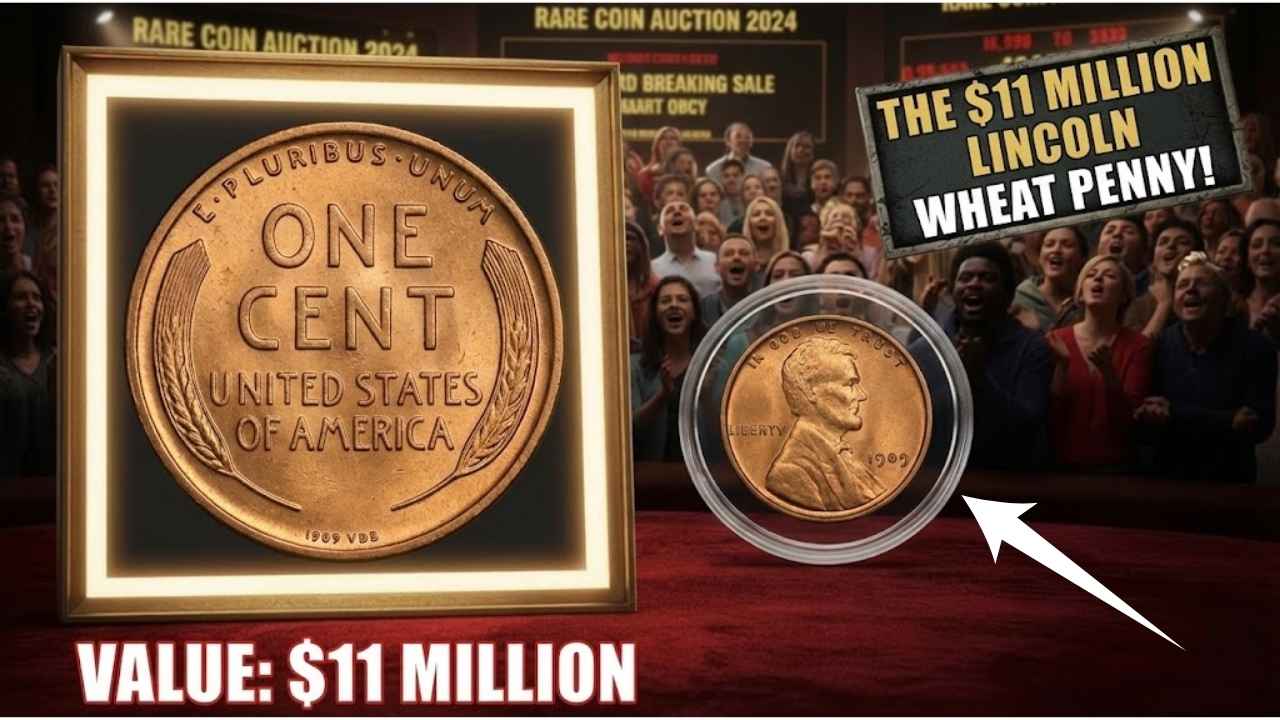
Lincoln Wheat Penny Worth $11 Million: The idea of a Lincoln Wheat Penny Worth $11 Million may sound unbelievable, yet it reflects the extraordinary potential hidden within one of America’s most familiar coins. Minted for everyday use and often dismissed as common pocket change, the Lincoln Wheat Penny has produced some of the rarest and most valuable coins in numismatic history. This article explores how a simple one-cent piece can reach legendary value, focusing on rare varieties, famous errors, and practical identification tips for collectors and beginners alike.
The Origin of the Lincoln Wheat Penny
The Lincoln Wheat Penny was introduced in 1909 to commemorate the 100th anniversary of Abraham Lincoln’s birth. It marked a historic shift in U.S. coinage by featuring a real person rather than a symbolic figure. Designed by Victor David Brenner, the coin quickly became a staple of American commerce.
The reverse design, displaying two wheat ears framing the words One Cent, symbolized prosperity and national growth. This design remained in circulation until 1958, making the series long-running and widely collected. While billions were produced, a small number of exceptional coins stand far above the rest in rarity and value.
Why Some Wheat Pennies Are Worth Millions
Most Lincoln Wheat Pennies are worth only a few cents to a few dollars depending on condition. However, extreme rarity, historical circumstances, and minting mistakes can elevate certain examples into the million-dollar range.
The legendary Lincoln Wheat Penny Worth $11 Million is associated with ultra-rare minting errors and unique production conditions. These coins often exist in extremely small numbers, sometimes only one or two known examples, which drives intense competition among collectors and investors.
The Famous 1943 Copper Wheat Penny
One of the most well-known and valuable Lincoln Wheat Pennies comes from 1943. During World War II, the U.S. Mint switched from copper to zinc-coated steel to conserve copper for the war effort. Despite this change, a few copper planchets from 1942 were accidentally used in 1943.
The result was the 1943 copper Wheat Penny, one of the most famous error coins in American history. Only a handful are known to exist, and verified examples have sold for hundreds of thousands to millions of dollars. In pristine condition with proper authentication, such a coin can reach extraordinary valuations approaching the $11 million mark in private sales or theoretical estimates.
Rare Varieties That Collectors Chase
Beyond major errors, certain varieties within the Wheat Penny series are highly sought after. These varieties often involve subtle differences that require careful examination.
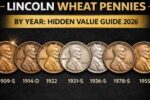
The 1909-S VDB penny is one of the most famous examples. It features the designer’s initials on the reverse and was minted in limited numbers at the San Francisco Mint. Its low mintage and historical importance make it a cornerstone of any serious collection.
Another notable variety is the 1914-D Wheat Penny, which had a relatively low production run. Even in circulated condition, it commands strong prices. In high-grade condition, its value increases dramatically.
The 1955 doubled die obverse penny is also legendary. The doubling is bold and visible to the naked eye, making it one of the most dramatic mint errors ever released into circulation.
Mint Errors That Create Exceptional Value
Mint errors play a major role in transforming ordinary Wheat Pennies into extraordinary collectibles. These errors occur during the striking process and vary in type and severity.
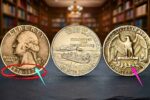
Double die errors result from misaligned dies, causing doubling on lettering or design elements. Off-center strikes occur when the planchet is not properly positioned, leaving part of the coin blank. Wrong planchet errors happen when a coin is struck on a blank intended for another denomination or composition.
The most valuable error coins combine rarity, visual impact, and excellent condition. When these factors align, prices can reach astonishing levels, explaining how the concept of a Lincoln Wheat Penny Worth $11 Million becomes possible.
The Importance of Condition and Grading
Condition is critical in determining a Wheat Penny’s value. Coins are graded based on wear, surface preservation, luster, and strike quality. Even rare coins can lose significant value if heavily worn or damaged.
Professional grading services provide authentication and assign a standardized grade. High-grade coins with minimal flaws are far more desirable and can multiply a coin’s value many times over. For potentially valuable Wheat Pennies, professional grading is often essential.
How to Identify a Valuable Wheat Penny
Identifying a valuable Wheat Penny begins with checking the date and mint mark. Mint marks appear below the date and indicate where the coin was produced. San Francisco and Denver mint coins are often scarcer than those from Philadelphia.
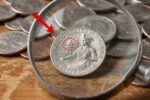
Using a magnet can help identify a 1943 steel penny, which should stick, unlike a rare copper version. A magnifying glass is useful for spotting doubled lettering, unusual spacing, or other anomalies.
Weight and color can also provide clues. Copper pennies have a distinct reddish-brown tone and weigh more than steel cents. Any coin that looks unusual compared to standard examples deserves closer inspection.
Preservation and Storage Tips
Proper preservation is essential for maintaining a coin’s value. Cleaning a coin can permanently damage its surface and reduce its worth. Coins should be stored in protective holders that prevent exposure to air, moisture, and physical contact.
Handling should be kept to a minimum, ideally by holding the coin by its edges. Long-term storage in a stable environment helps preserve both appearance and value.
Conclusion
The story behind the Lincoln Wheat Penny Worth $11 Million highlights the remarkable possibilities hidden within everyday objects. While most Wheat Pennies are common and affordable, a rare combination of historical context, minting errors, and exceptional condition can transform a humble one-cent coin into a priceless artifact.
For collectors and enthusiasts, the Wheat Penny series offers an exciting blend of history, challenge, and discovery. With patience, knowledge, and careful examination, even a small coin found in a jar or old collection could hold a story and a value far greater than its face amount.