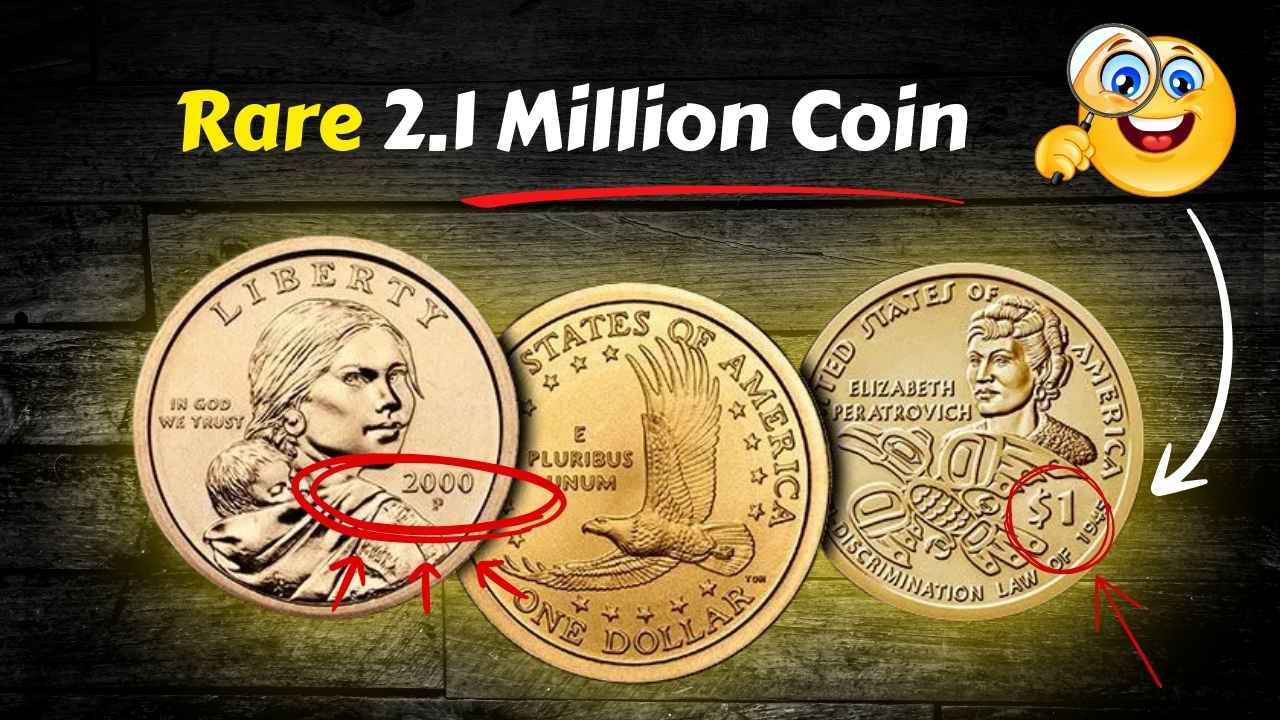
Rare 2.1 Million Sacagawea Dollar Coin Guide: The Sacagawea dollar coin is one of the most distinctive modern coins ever produced by the United States Mint. Introduced at the turn of the millennium, it was intended to replace the Susan B. Anthony dollar and encourage wider use of dollar coins in everyday transactions. Although millions were minted, certain Sacagawea dollars are surprisingly rare and valuable today. Among the most intriguing are limited-issue coins connected to a mintage of approximately 2.1 million pieces, which have captured the attention of collectors due to their scarcity, history, and unique characteristics. Understanding these coins can help you determine whether one in your collection may be worth far more than face value.
The History Behind the Sacagawea Dollar
The Sacagawea dollar was first issued in 2000 and features Sacagawea, a Shoshone woman who played a vital role as a guide and interpreter for the Lewis and Clark Expedition. Her image was chosen to honor Native American contributions to American history, making the coin culturally significant from its very beginning.
The obverse design shows Sacagawea carrying her infant son, Jean Baptiste, symbolizing exploration and survival. The reverse initially featured a soaring eagle, representing peace and freedom. Despite its meaningful design and golden color, the coin struggled to gain popularity in everyday circulation. Many Americans confused it with quarters or simply preferred paper currency, which limited its use and led to changes in production numbers over time.
What Does the 2.1 Million Mintage Refer To
The reference to a 2.1 million Sacagawea dollar typically points to special production runs or specific years where mintages were significantly lower than usual. While early Sacagawea dollars were produced in large quantities, later issues saw reduced demand, leading the U.S. Mint to limit production primarily for collectors rather than circulation.
In some cases, coins with mintages around 2.1 million were struck for special purposes, such as inclusion in mint sets or for storage rather than public release. Lower mintage numbers mean fewer coins are available to collectors, which naturally increases interest and potential value, especially when demand remains strong.
Why Some Sacagawea Dollars Are Valuable
Not every Sacagawea dollar is rare, but certain factors can dramatically increase a coin’s worth. Mintage numbers play a major role, as coins produced in smaller quantities are harder to find. Condition is equally important, with uncirculated coins commanding much higher prices than worn examples.
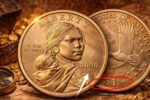
Collector demand also influences value. Some Sacagawea dollars are popular because of unique designs, historical significance, or minting errors. When these elements combine with low mintage figures, prices can rise well beyond the coin’s face value, sometimes reaching hundreds or even thousands of dollars.
Key Dates and Mint Marks to Look For
Identifying a valuable Sacagawea dollar starts with checking the date and mint mark. The date appears on the obverse near Sacagawea’s portrait, while the mint mark can usually be found on the edge or near the date, depending on the year of issue.
Coins minted in Philadelphia typically carry a P mint mark, while Denver issues show a D. Some of the lower-mintage Sacagawea dollars were produced only for collectors and never released into circulation, making them harder to encounter. Paying close attention to the year and mint mark combination is essential when determining whether a coin may be part of a limited mintage group.
The Importance of Condition and Grading
Condition is one of the most critical factors affecting the value of a Sacagawea dollar. Coins that have never been circulated and retain their original surfaces are far more desirable than those that show signs of wear, scratches, or discoloration.
Professional coin grading services evaluate coins based on surface quality, strike sharpness, and overall appearance. A Sacagawea dollar from a low-mintage year that has been graded in high mint state condition can be worth many times more than the same coin in average circulated condition. Even minor differences in preservation can lead to significant changes in value.
Unique Varieties and Error Coins
Some of the most valuable Sacagawea dollars are not rare because of low mintage alone, but because of minting errors or unusual varieties. One of the most famous examples is the Cheerios dollar, which features enhanced tail feathers on the eagle and was included in a limited number of cereal boxes as a promotion.
Other errors include missing edge lettering, doubled dies, or incorrect planchets. While not every error adds value, well-documented and visually clear errors are highly sought after by collectors. When such an error appears on a coin with an already limited mintage, its desirability can increase dramatically.
How to Identify a Potentially Rare Sacagawea Dollar
Careful inspection is the key to identifying a valuable Sacagawea dollar. Start by examining the date and mint mark, then look closely at the coin’s surfaces under good lighting. Sharp details, smooth fields, and minimal marks are all positive signs.
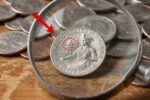
Checking the edge of the coin is also important, especially for later issues that feature edge lettering. Missing or incomplete lettering can indicate a minting error. Comparing your coin to images from reputable numismatic references can help you spot subtle differences that may not be obvious at first glance.
Where These Coins Are Commonly Found
Rare Sacagawea dollars are unlikely to appear in everyday change, but they are not impossible to find. Many are discovered in old mint sets, inherited collections, or bank rolls that were never widely circulated. Some collectors have also found valuable examples by purchasing dollar coins directly from banks and examining them carefully.
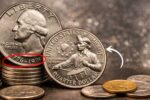
Estate sales and coin shows are other places where overlooked Sacagawea dollars may surface. Because these coins are relatively modern, some people underestimate their value and sell them without realizing their potential worth.
What to Do If You Think You Found One
If you believe you have a rare Sacagawea dollar from a low-mintage group such as the 2.1 million issue, the next step is to seek expert advice. A reputable coin dealer can provide an initial evaluation and help determine whether professional grading is worthwhile.
Submitting the coin to a trusted grading service can authenticate it and establish its condition, which is essential for determining market value. Proper grading also makes the coin easier to sell, insure, or include in a serious collection.
Final Thoughts on Rare Sacagawea Dollars
The story of the rare 2.1 million Sacagawea dollar highlights how even modern coins can become valuable under the right circumstances. While many Sacagawea dollars remain common, select issues with low mintages, unique features, or exceptional condition have earned a special place in the world of numismatics. By learning the history, understanding identification tips, and paying attention to detail, collectors can uncover hidden value in a coin that many people still overlook. In the end, the Sacagawea dollar stands as a reminder that rarity and significance are not always defined by age alone.