Rare Bicentennial Quarter Worth $3.2 Million: The Bicentennial Quarter is one of the most talked-about coins in American history. Issued to celebrate 200 years of United States independence, this coin is familiar to many people. Millions were made, and most are still only worth face value. However, a very rare version of the Bicentennial Quarter has been linked to an astonishing value of up to $3.2 million. This has sparked curiosity among collectors and everyday people alike. Understanding why this coin is so valuable and how to identify it can help you know whether you are holding an ordinary coin or a true treasure.
The History of the Bicentennial Quarter
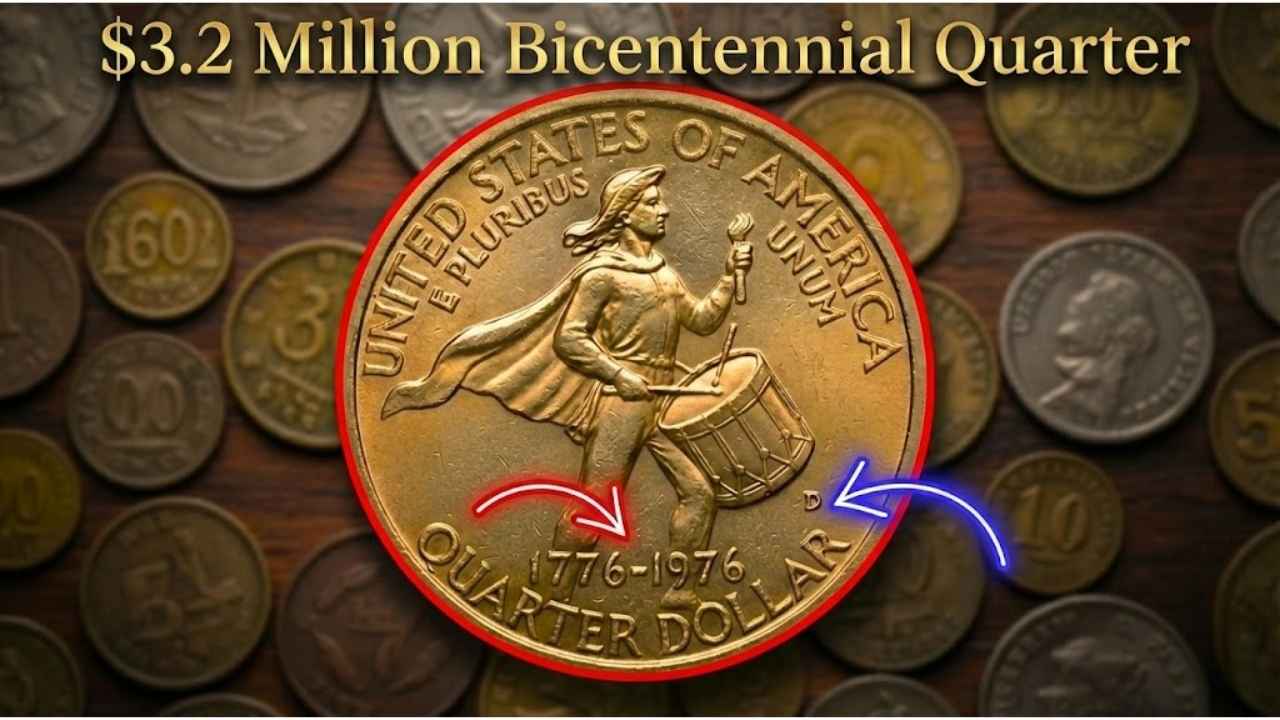
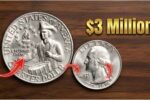
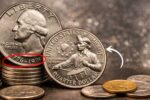
In the mid-1970s, the United States Mint decided to honor the nation’s 200th anniversary with special coin designs. The quarter released for this celebration carried the dual date 1776–1976 instead of a single year. On the reverse side, the traditional eagle was replaced with a colonial drummer, symbolizing the American Revolution. This design was created by Jack L. Ahr and quickly became iconic.
The Bicentennial Quarter was minted in large numbers at the Philadelphia, Denver, and San Francisco mints. Because of this high production, most examples are still common today. However, among these millions of coins, a few rare varieties stand out due to unusual materials, minting errors, or special production methods.
Why One Bicentennial Quarter Is Worth $3.2 Million
The idea that a Bicentennial Quarter could be worth $3.2 million may seem unbelievable, but rarity and uniqueness drive extreme value in coin collecting. The most valuable examples are not regular circulation coins. Instead, they are linked to special strikes, experimental compositions, or rare mint errors that were never meant to reach the public.
One theory behind the $3.2 million valuation involves a quarter struck on a 90 percent silver planchet instead of the standard copper-nickel composition. While some Bicentennial Quarters were officially made in silver for collectors, these were typically 40 percent silver and sold in special sets. A coin mistakenly struck on a different silver planchet or an experimental metal would be extraordinarily rare.
Another possibility involves a flawless proof or special strike with perfect surfaces, sharp details, and historical documentation. When a coin combines rarity, condition, and a compelling backstory, collectors are willing to pay extraordinary prices.
Key Features to Look For
Identifying a potentially valuable Bicentennial Quarter starts with close inspection. The first thing to check is the date. Every Bicentennial Quarter will show 1776–1976 on the front. Next, look at the mint mark. Coins from Philadelphia have no mint mark, Denver coins show a D, and San Francisco coins show an S.
Weight is another important factor. A standard copper-nickel Bicentennial Quarter weighs about 5.67 grams. Silver versions are heavier, around 5.75 grams. A coin that does not match expected weight could indicate an unusual composition.
The edge of the coin can also reveal clues. Copper-nickel quarters show a visible copper stripe along the edge, while silver coins have a solid silver-colored edge. A Bicentennial Quarter without the copper stripe deserves further examination.
Rare Errors That Increase Value
Mint errors play a major role in turning ordinary coins into valuable collectibles. Some Bicentennial Quarters were struck with doubled dies, where letters or numbers appear doubled. Others may show off-center strikes, missing details, or wrong planchets.
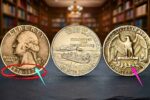
A quarter struck on the wrong metal blank is especially rare and valuable. These errors usually happen during the minting process when planchets are accidentally mixed. If such a coin escapes quality control, it can become a once-in-a-lifetime discovery.
Proof errors are also important. Proof coins are made with special care, so any mistake on them is far rarer than on circulation coins. A proof Bicentennial Quarter with a major error and perfect condition could attract serious attention from elite collectors.
The Importance of Condition
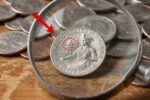
Condition, often called grade, has a huge impact on a coin’s value. Coins are graded on a scale that ranges from heavily worn to perfect. A Bicentennial Quarter that has scratches, wear, or damage will usually be worth very little, even if it is silver.
On the other hand, a coin in mint state or proof condition with no visible flaws can be extremely valuable. The rare $3.2 million quarter is believed to be in near-perfect or perfect condition, which greatly increases its worth.
Professional grading services are essential for determining a coin’s condition. These experts examine the coin under magnification and assign it an official grade. A high grade from a trusted service adds credibility and value.
How to Get a Bicentennial Quarter Valued
If you think you may have a rare Bicentennial Quarter, avoid cleaning it. Cleaning can damage the surface and lower the value. Instead, store it carefully in a protective holder.
The next step is to consult a reputable coin dealer or send the coin to a professional grading service. They can confirm authenticity, identify errors, and determine the metal composition. If the coin is truly rare, it may be suitable for auction, where collectors compete and drive prices higher.
Conclusion
The idea of a Rare Bicentennial Quarter worth $3.2 million captures the imagination because it turns everyday change into potential fortune. While most Bicentennial Quarters are common and worth only face value, a tiny number stand apart due to rare materials, mint errors, and exceptional condition. By understanding the history, learning how to identify key features, and knowing the importance of professional grading, anyone can better appreciate these coins. Even if you never find the million-dollar version, the Bicentennial Quarter remains a meaningful symbol of American history and a reminder that hidden treasures can still exist in plain sight.