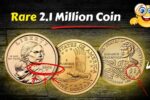
Sacagawea Dollar Coin Value Guide: The Sacagawea dollar coin is a unique and fascinating piece of American currency. First introduced in 2000, it was designed to replace the Susan B. Anthony dollar and to bring renewed interest to dollar coins. Featuring Sacagawea, the Shoshone woman who helped the Lewis and Clark expedition, the coin carries both historical significance and practical use. Over the years, collectors have become increasingly interested in identifying valuable Sacagawea dollars based on their years, mint marks, condition, and rare error variations. This guide will help you navigate the key details to determine the value of your Sacagawea dollar coins.
Understanding the Sacagawea Dollar Coin
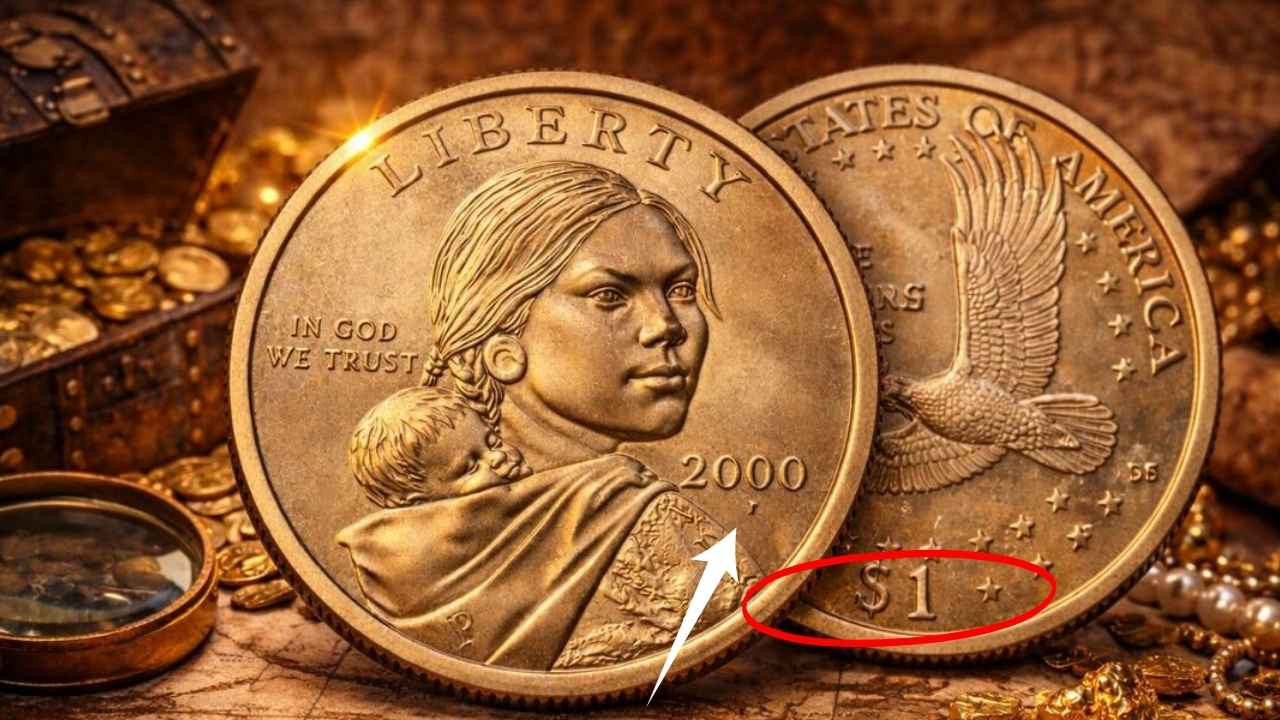
The Sacagawea dollar was first minted in 2000, with its distinctive golden color achieved by plating a pure copper core with a manganese brass alloy. The obverse features the image of Sacagawea carrying her infant son, Jean Baptiste, while the reverse initially depicted an eagle in flight. From 2009 onwards, the reverse design changed annually to honor Native American contributions to U.S. history.
Although the coin was intended to circulate widely, many Sacagawea dollars were instead collected or stored, making some varieties rarer in circulation. Collectors prize specific years, mint marks, and error coins, which can vary in value from just a few dollars to hundreds or even thousands.
How to Identify Sacagawea Dollar Years and Mint Marks
The year and mint mark are important starting points for identifying and valuing your Sacagawea dollar.
Years
The first year of production was 2000, and the original reverse design featuring the eagle was used until 2008. Beginning in 2009, the U.S. Mint launched the Native American $1 Coin Program, which introduced new reverse designs each year celebrating Native American culture and history.
Certain years are more sought after, including the inaugural 2000 issue, which has both circulation strikes and special proof coins. Additionally, the 2000-P “Type 2” variety, which has a different edge lettering pattern, is one of the most notable and valuable.
Mint Marks
Sacagawea dollars were minted at three locations:
- P (Philadelphia Mint): Usually the most common mint mark, found on many coins from 2000 onwards.
- D (Denver Mint): Also common, Denver coins often circulate widely.
- S (San Francisco Mint): These coins are generally proof or special collector versions and have a shiny finish.
The mint mark can be found on the obverse side near Sacagawea’s ponytail. Knowing the mint mark helps you identify rarer coins since some years and mints produced fewer coins.
Grading Sacagawea Dollars: Condition Matters
The condition or grade of a coin is critical in determining its value. Coins are graded on a scale from Poor (P) to Mint State (MS), with many professional grading companies providing detailed certification.
- Circulated Condition: Most Sacagawea dollars found in everyday use show signs of wear and have lower value.
- Uncirculated (Mint State): Coins that have never been used and show no signs of wear are more valuable, especially those graded MS65 or higher.
- Proof Coins: Specially struck for collectors, proof coins have sharp details and mirror-like surfaces. They often carry a premium.
When assessing your coins, look for scratches, discoloration, and loss of detail. Coins with minimal wear and vibrant color are typically worth more.
Rare Sacagawea Dollar Error Coins to Watch For
Error coins occur when the minting process produces mistakes. These mistakes can significantly increase a coin’s value, especially if the error is dramatic or rare.
1. 2000-P “Type 2” Edge Lettering Error
One of the most famous Sacagawea dollar errors is the 2000-P Type 2 edge lettered coin. Unlike the Type 1 coins, which have consistent edge lettering, Type 2 coins feature a noticeable variation in spacing and orientation on the edge. This variety is rare and can fetch hundreds or thousands of dollars, especially in high grades.
2. Doubled Die Errors
Some Sacagawea dollars show doubling on the obverse or reverse designs, making the images or lettering appear doubled or blurred. These doubled die errors can be subtle or pronounced. Collectors prize coins with clear doubling, as they are scarce.
3. Off-Center Strikes
Coins struck off-center show part of the design missing or shifted. The more dramatic the off-center strike, the more valuable the coin tends to be. Off-center Sacagawea dollars are uncommon and attract collectors interested in error coins.
4. Missing Edge Lettering
Sacagawea dollars have edge lettering that reads “E Pluribus Unum” and the year and mint mark. Some coins may have partial or completely missing edge lettering due to minting errors. These are rare and collectible.
5. Wrong Planchet Errors
Occasionally, Sacagawea dollars have been found struck on incorrect planchets—metal blanks meant for other coins, such as pennies or nickels. These errors are extremely rare and highly sought after.
How to Determine the Value of Your Sacagawea Dollar
To estimate your coin’s worth, consider the following:
- Check the Year and Mint Mark: Identify if it’s from a rare year or mint.
- Assess the Condition: Higher-grade coins are more valuable.
- Look for Errors: Spotting any errors or varieties can boost value.
- Consult Price Guides and Auction Results: Recent sales provide a good market value estimate.
- Seek Professional Grading: A certified grade from PCGS or NGC can increase your coin’s value and saleability.
Where to Sell or Trade Sacagawea Dollars
If you discover a valuable Sacagawea dollar, you can sell or trade it through several channels:
- Coin Dealers: Local or online dealers can appraise and purchase coins.
- Auction Houses: High-value or rare coins often achieve better prices at auctions.
- Coin Shows and Conventions: These venues offer opportunities to meet collectors and dealers.
- Online Marketplaces: Platforms like eBay can be useful but require caution and research.
Always get multiple opinions and consider certification before making large transactions.
Conclusion
Sacagawea dollar coins offer an intriguing mix of history, artistry, and collecting potential. While most of these coins are common and worth face value, certain years, mint marks, and especially rare error coins can be quite valuable. By understanding how to identify the year, mint mark, condition, and errors, collectors can unlock the hidden value of these iconic coins. Whether you have a handful of Sacagawea dollars or a well-curated collection, taking the time to inspect them carefully could uncover a rare treasure worth much more than a dollar.